
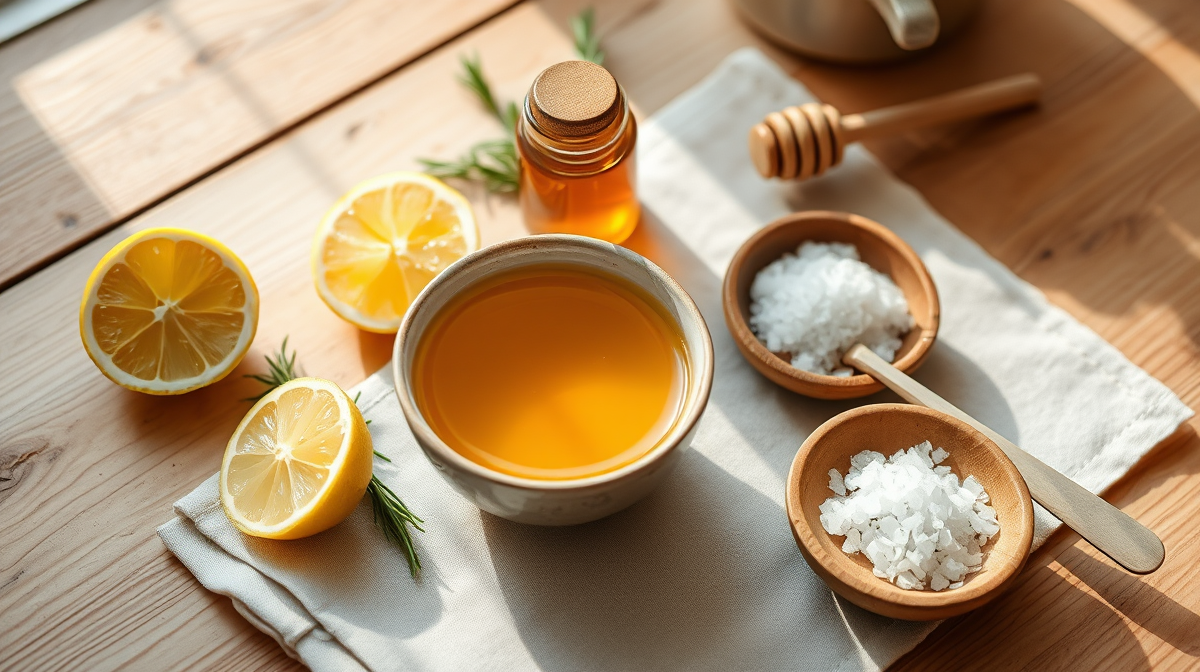
Cooking without a recipe used to terrify me. At first, I measured everything with scales and spoons. Then I learned that home cooking is adjusted in the moment, with your eyes and your palate. The secret isn’t in the exact amount of one ingredient, but in how acidity, sweetness, and salt interact. Recipes are maps, not commands. At home, every product has its own intensity, every stove heats differently, and every palate responds differently. When a stew tastes flat to you, you don’t need more ingredients; you need to adjust the balance. Flavor isn’t linear; it’s a network. Acidity cuts through fat and opens the palate. Sweetness softens harsh edges and rounds out the profile. Salt doesn’t just make things salty; it pulls out aromas and makes everything else stand out. If you rely solely on the recipe, you lose the ability to listen to your pan and become a slave to grams.
The flavor triangle: why exact recipes fail
Recipes are maps, not commands. At home, every product has its own intensity, every stove heats differently, and every palate responds differently. When a stew tastes flat to you, you don’t need more ingredients; you need to adjust the balance. Flavor isn’t linear; it’s a network. Acidity cuts through fat and opens the palate. Sweetness softens harsh edges and rounds out the profile. Salt doesn’t just make things salty; it pulls out aromas and makes everything else stand out. If you rely solely on the recipe, you lose the ability to listen to your pan and become a slave to grams.
Acidity: the switch that wakes up the dish
Acidity is the most undervalued and fastest tool to save a dish. A splash of vinegar, a few drops of lemon, or a teaspoon of Greek yogurt can bring a sleeping sauté back to life. It’s not about making the dish sour, but giving it brightness and depth. Try this practical rule: when a dish tastes “dull” or too heavy, add acidity in three small touches. Wait 30 seconds between each touch and taste. If using apple cider vinegar, start with 1/4 teaspoon. If using lemon, squeeze half a citrus per liter of liquid, but always around the edge of the pan so it doesn’t concentrate in one spot. Acidity also balances fat: a lentil stew with a touch of sherry vinegar feels much lighter and more flavorful without reducing the fat. For fish, lemon or rice vinegar cut through heaviness; for red meats, balsamic or cider vinegar add complexity. Acidity acts like a switch: once you flip it, the rest of the flavor gains volume.
Sweetness: the bridge between salty and bitter
Sweetness in savory cooking isn’t for dessert. It’s the stabilizer. When something is too spicy, when tomatoes have high natural acidity, or when bitter vegetables dominate, a touch of sweetness softens the whole profile. You don’t need refined sugar. In my kitchen, I use caramelized onions, a piece of boiled carrot that I remove later, or a drizzle of thyme honey. The key lies in proportion and timing. Always add it at the end of active cooking, when you’ve turned off the heat or lowered it to minimum. If you add it at the beginning, the heat will caramelize it too much and change the dish’s profile. A teaspoon of sugar-free tomato jam or a grated apple in a meat stew are my emergency resources. Sweetness also enhances umami: a little soy sauce or concentrated tomato paste with a touch of honey creates a flavor network that makes the dish feel more complete without needing more salt.
Salt: the base, but with a head
Salt is non-negotiable, but its misuse is the most common mistake. You don’t dump it all at the beginning or only at the end. It’s distributed in layers. Salting while sautéing the aromatic base activates the natural sugars in vegetables and boosts the foundation. Salting when adding the main liquid helps the broth absorb the ingredients’ flavors. And doing a final touch raw, when it’s already plated, is what truly defines the result. Use flaky salt for the finish; it dissolves slower and lets you control intensity. If you overdo it, don’t add more water (you dilute flavor and texture). Add acidity or a neutral ingredient that absorbs (like a piece of boiled potato you remove later, or more fresh chopped vegetables). Salt isn’t the enemy; lack of control is. And remember that smoked salts or herb salts already contain added salt; adjust your initial measure accordingly.
Real-time adjustment: my 3-tap routine
Tasting properly is a skill that takes practice. Don’t use the spoon you’ve been stirring with; switch to a clean, cool one. Let the food cool for a second on the spoon; excessive heat numbs taste buds. Always taste at the same point on your palate, never at the tip of the tongue. And remember the 5-minute rule: after each adjustment, let the dish rest. Flavors need time to integrate. If it’s still not there, adjust again. Home cooking is a dialogue, not a monologue. To streamline, keep three “life-savers” handy: a cut lemon, your vinegar of choice, and flaky salt. If you get lost, go back to the aromatic base. A good sauté of leek, onion, and garlic (/es/blog/sofrito-aromatico-puerro-cebolla-ajo/) is your blank canvas. And if you need to reduce salt without losing flavor, remember that umami and acidity are your best allies (/es/blog/reducir-sal-acidez-umami-cocina-diaria/).
Sources
- AESAN (Agencia Española de Seguridad Alimentaria y Nutrición): Recommendations on sodium consumption and salt usage in home preparation.
- Harvard T.H. Chan School of Public Health: Principles of Healthy Eating and Flavor Balance in Dietary Patterns.
- #equilibrio-de-sabores
- #tecnicas-de-cocina
- #cocina-casera