
The myth of fats and the reality of your pantry
For years, fats were the main villains of modern diets. The truth is that not all fats are created equal, and your body needs them to function properly. The secret isn’t to eliminate them, but to choose the right ones and maintain a proper balance.
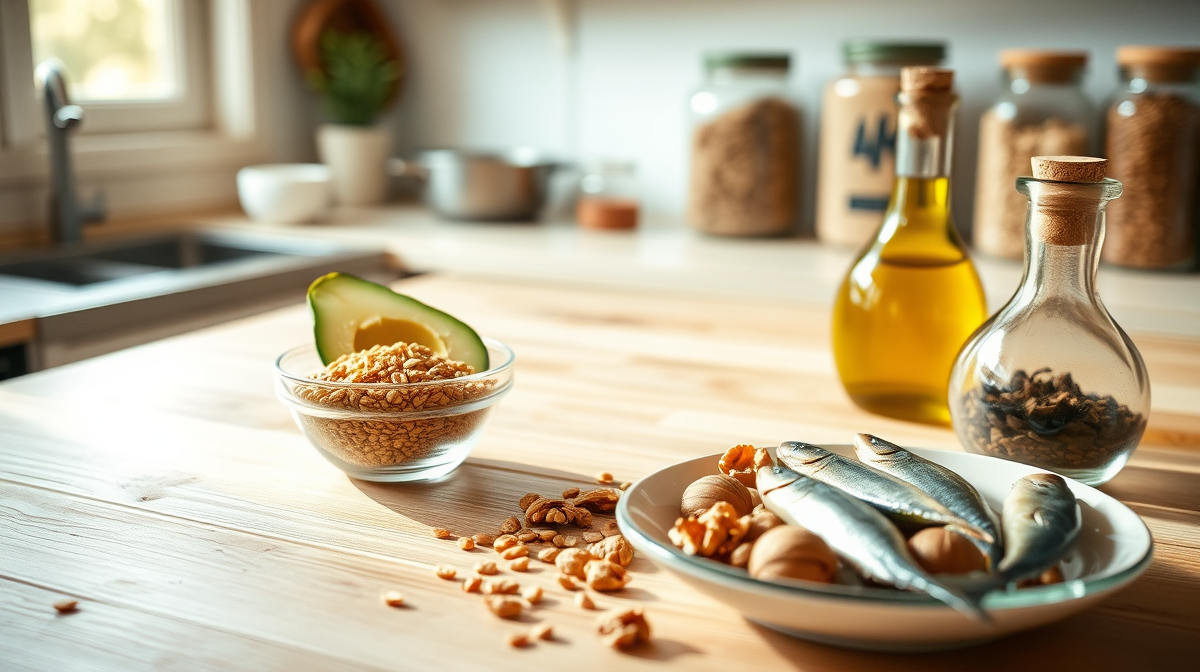
In your kitchen, dietary fats fall into three main categories. Omega-3 fatty acids, found in fatty fish, walnuts, and flaxseeds, are anti-inflammatory and essential for brain and cardiovascular health. Omega-6 fatty acids, common in vegetable oils and certain nuts, are also necessary, but we typically consume them in excess. Saturated fats, found in meat, full-fat dairy, and coconut oil, can be enjoyed in moderation, always prioritizing whole sources over processed options.
The usual issue in home cooking isn’t the fat itself, but the imbalance between omega-3 and omega-6. When the ratio skews too heavily toward omega-6, the body can enter a state of mild chronic inflammation. To fix this, you don’t need expensive supplements; just adjust your weekly grocery plan.
To balance your plate without complications, follow this practical rule: dedicate one-third of your fat intake to omega-3-rich foods and another third to monounsaturated sources like extra virgin olive oil or avocado. Use high omega-6 oils (like sunflower or corn oil) sparingly for frying or high-heat roasting, and reserve olive oil for raw applications and medium-heat cooking.
Keep these essentials in your pantry: extra virgin olive oil, walnuts, chia or flaxseeds, and canned sardines or mackerel. These are your tools for building real, nourishing meals.
Quick Tips for Your Daily Kitchen
- Add a tablespoon of ground seeds to your salads or yogurt to boost omega-3 without altering the flavor.
- Alternate fatty fish with legumes and tofu in your dinners to maintain a steady balance.
- Check labels: if sunflower or soy oil appears as the second or third ingredient, look for options with less omega-6.
- Make your own salad dressing with olive oil and vinegar or lemon; it’s more economical and gives you full control over quality.
- Plan two dinners a week around fatty fish or walnuts; this guarantees balance without extra effort.
Remember that good fat is the kind that fits into your routine, not the kind you fear and remove. With a little attention to your grocery list and your skillet, you’ll transform your eating habits in a sustainable and delicious way.
- #grasas-saludables
- #omega-3-omega-6
- #cocina-equilibrada