
Why hydration changes taste and rhythm in the kitchen
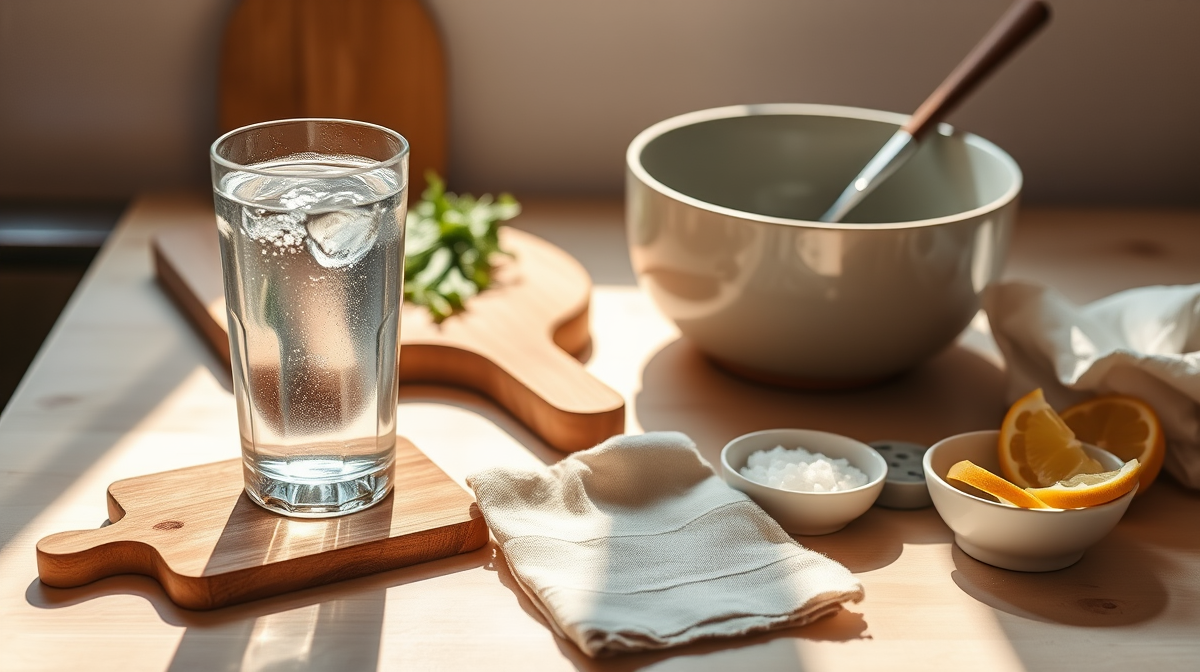
Cooking every day has taught me that the body is the first tool we forget to check. When we spend more than an hour in the kitchen, the heat from the stove, the constant movement, and the physical effort drain our water reserves without us realizing it. Even mild dehydration, just 1-2%, affects concentration and taste perception. It is completely normal that, by the end of a long prep, dishes end up tasting too salty or too acidic: our taste buds get fatigued, and the brain compensates by craving stronger flavors. Keeping water within arm’s reach is not a luxury; it is a precision tool. I always leave a large glass of filtered water on the counter, away from the heat but one step away from my hand. I sip slowly while setting the table, chopping vegetables, or waiting for broth to simmer. This simple habit keeps saliva balanced, which translates directly into more reliable tasting and a smoother workflow.
Rhythm and energy: drinking before fatigue sets in
Home cooking is low-intensity but prolonged physical work. Chopping, stirring, wiping, and timing meals burns glucose and electrolytes. If you wait until you feel thirsty to drink, you are already working hours behind schedule. My practical rule is to drink 200 ml of water before starting to cook, then 100 ml every 20 minutes. If the day is hot or the recipe requires a lot of movement, I increase it to 150 ml. I carry a bottle with hourly marks or use a measuring cup that reminds me to drink without interrupting the flow. I also alternate water with mild chamomile or mint infusions, which add fluids and relax muscle tension without extra sugars. I avoid sugary drinks or high-caffeine beverages during prep: diuretics and blood sugar spikes actually tire you out faster and can distort the flavor of the food you are tasting.
Water for tasting, cooking, and cleaning: daily mistakes we make
One of the most frequent errors is using the same vessel for drinking and for tasting food. The water in my drinking glass never touches the tasting spoon, and the water in the pot is never drunk. Additionally, tap water, while safe, often contains chlorine or variable hardness that distorts flavors. For tasting broths, sauces, or stews, I prefer light mineral water or tap water left to sit in an open pitcher for 10 minutes so the chlorine can dissipate. As for quickly washing hands or utensils while cooking, it is vital to separate washing water from drinking water. If you wash a knife or get garlic or onion on your hands, use a small bowl with soapy water and rinse with clean water before touching raw ingredients again. This separation prevents cross-contamination and keeps your senses clean for the next flavor check.
Practical tricks to stay hydrated without stopping cooking
Kitchen layout and drinking habits must work together. Place the water pitcher in the prep zone, not near the sink, so it does not get confused with dirty water. If you cook extensively, keep a thermos with cold water or strained homemade broth; the broth provides natural sodium and potassium that sweat removes, and cold water helps regulate body temperature without shocking the stomach. Use a gentle timer on your phone or a silent alarm to remind you to drink if you get lost in the recipe. Remember that proper hydration also improves dough texture and legume cooking, as a well-hydrated body absorbs and distributes recipe liquids more efficiently. If you want to dive deeper into how water and liquids directly influence the balance of your dish, I recommend reading adjusting flavors, acidity, sweetness, and salt. To optimize your counter space and stop wasting time looking for where to place your pitcher or thermos, check out kitchen flow and organization. Hydration is not a separate step; it is the thread that holds the entire preparation together.
Sources
- Spanish Agency for Food Safety and Nutrition (AESAN). Recommendations on hydration and household water safety.
- World Health Organization (WHO). Guidelines on daily water and electrolyte intake for adults.
- Harvard T.H. Chan School of Public Health. The Watering-Can Effect: Hydration and Cognitive Performance.
- #hidratacion
- #rendimiento-cocina
- #rutina-diaria