
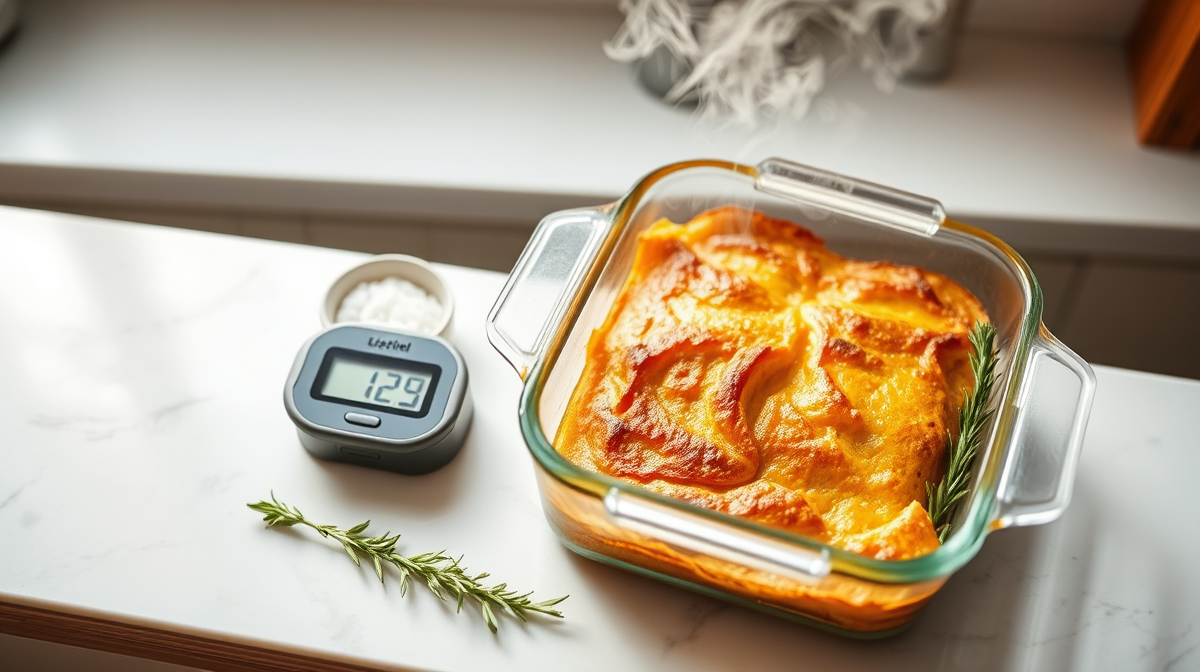
The microwave as a texture tool, not just a heater
Many of us cook daily, and the microwave has become that appliance we only use out of laziness. But, being honest, it doesn’t have to be that way. When you control it, it becomes a precision tool for managing moisture and food structure. The problem isn’t the appliance itself; it’s how it interacts with water. Microwaves vibrate water molecules rapidly, generating internal heat. If you don’t manage that steam, everything turns soggy or dry at the same time. At Umami Cook I’ve tested countless combinations, and I’m sharing the tricks that actually work in a real kitchen, without complications or fancy gadgets. Texture isn’t lost by accident; it’s lost by trusting the automatic settings and letting steam get trapped.
Controlling moisture: the secret to crispness
What suffers most in the microwave is crisp texture. To avoid it, the key is absorbing and directing excess steam. Never cover dishes with a flat plate or airtight plastic wrap. Use a silicone lid with a vent or, better yet, a crumpled sheet of parchment paper shaped into a dome. Air circulates, steam escapes, and the surface stays firmer. If you’re cooking vegetables like broccoli or cauliflower, spread the florets across the bottom of the dish and add just one tablespoon of water. The generated steam will be enough to cook them perfectly without boiling them. For ground meat or shredded chicken, cover with dry paper towels and swap the paper halfway through if it absorbs too much moisture. I apply this same principle when storing leftovers in glass containers: the microwave needs to breathe, and if the container doesn’t allow it, the texture is ruined before you even take it out. One detail many overlook: never stack food. A single thick layer heats worse and unevenly than two thin layers. If you need to heat two portions, do it in separate dishes or swap their positions halfway through.
Power levels and short bursts
The “power” button is where most people fail. If your microwave has a numeric dial (100% is max, 50% is medium, 30% is low), use it. For heating sauces, purees, or cooked legumes, the 50-60% level distributes heat without breaking the emulsion or creating explosive steam pockets. If yours doesn’t have a selector, use 30-second bursts. Heat 30, stir, repeat. Constant movement is just as important as temperature. To defrost or soften butter and cream cheese, drop to 30% or 20%. The goal is to even out the core without cooking the edges. In my daily routine, I use silicone spatulas that resist heat to stir without damaging the turntable or scratching the microwave interior. Avoid metals and gold trim; while the microwave won’t burn them, they can create electrical arcs that damage the magnetron and disrupt heat distribution. Remember that max power is only useful for boiling large volumes of liquid or activating a specialized steam lid. For everything else, less is more.
The resting trick and proper covering
The microwave stops when the timer beeps, but cooking doesn’t. Residual heat continues to distribute for two to three minutes. If you take out a frittata, white fish, or even scrambled eggs at the exact moment it stops, they’ll turn tough the moment you cut them. Let them rest covered with the dish lid or an inverted plate. That short pause allows moisture to redistribute evenly and proteins to settle. Also, if you notice something is wet on the surface at the end, leave it uncovered for an extra minute; residual steam will evaporate and you’ll regain firmness. For bread or pastries, resting is vital: heat for 10 seconds, wrap in a dry cotton cloth, and let rest for 2 minutes. The interior will humidify from internal heat, and the crust won’t soften from direct steam exposure. Apply this trick to melted cheeses too: take it out, let rest 1 minute, and watch it turn creamy instead of grainy.
Sources
Recommendations regarding timing and power levels are based on heat transfer principles and food safety standards. The Spanish Agency for Food Safety and Nutrition (AESAN) highlights that uniform microwave heating depends on power control and resting, preventing overheated zones that could compromise food safety. Furthermore, guidelines from the Harvard T.H. Chan School of Public Health on thermal food processing indicate that managing steam and final temperature are critical for maintaining the cellular structure of vegetables and proteins, preventing texture degradation from localized overcooking.
- #microondas
- #tecnicas-textura
- #cocia-rapida
- #consejos-cocina
- #gestion-vapor