
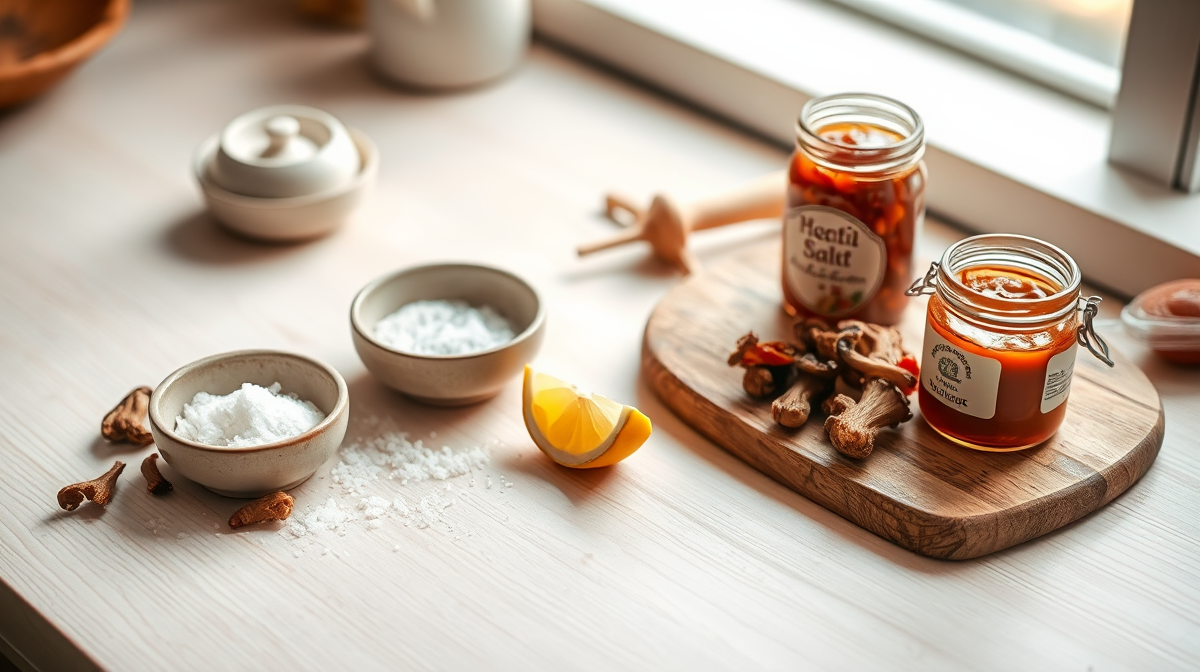
Why salt tricks us and how to step out of the habit
In my kitchen, like in many households, salt was the go-to fix whenever a dish felt flat. But the truth is that our palate adapts quickly, and what we consider normal is often an excessive sodium load. The Spanish Agency for Food Safety and Nutrition (AESAN) makes it clear: cutting daily sodium is one of the most effective public health measures, and it does not require sacrificing flavor. The trick lies in understanding that salt is not the only path to a balanced plate. When you lower sodium, your brain asks for more intensity. That is where we step in with two reliable allies I always keep on hand: acidity and natural umami. They are not magic substitutes; they are precision tools to reorganize the flavor profile without relying on the salt shaker.
The acidity trick: waking up the palate instantly
Acidity is the on-switch for taste. When you add a splash of apple cider vinegar, fresh lemon juice, or a deglazing splash of white wine at the end of cooking, you are not masking a lack of salt; you are activating different receptors and breaking the monotony of a flat flavor. At home, I follow this rule: if a stew or stir-fry feels dull, I test acidity first. A fine citrus zest over roasted vegetables, a drizzle of rice vinegar in noodle dishes, or a touch of natural tomato juice in an olive oil-based sauce. The key is adding it in two stages. First, a mild acidic base during cooking to lift flavors from the pan. Second, a bright finish right before serving. This gives the dish volume without needing more sodium. If you want to explore how to pair these elements with other seasonings, the post on essential spices for a functional pantry gives you a solid foundation to avoid repeating flavors.
Natural umami: the quiet foundation that rounds out flavor
Umami is not an added flavor; it is the deep essence of savory taste already present in foods. Natural glutamates, inosinates, and guanilates work in synergy to give body and roundness. In my daily routine, I build layers of umami without checking salt labels. I start with the base: onions and garlic caramelized slowly, which develop natural sugars and complexity. Then, mushrooms. Dried mushrooms (like portobello or shiitake) rehydrated in hot water provide an instant broth. If I am short on time, I use a spoonful of homemade tomato paste (natural tomato cooked without added salt) or a strip of kombu in vegetable stocks, removed before serving. I also rely on toasted seeds: ground sesame, sunflower, or pumpkin seeds in a mortar act as thickeners and natural flavor boosters. Nutritional yeast, with its nutty, cheesy note, finishes legume dishes or creamy soups. The goal is not to overload, but to support. When umami is present, salt perception sharpens, allowing you to reduce the amount without your brain registering blandness.
5 daily swaps to cut sodium without drama
Changing kitchen habits does not require new recipes, just minute adjustments. These are the ones I apply every week:
- Flake salt at the end, fine salt at the start: flake salt dissolves slowly and leaves crystals that burst on the tongue. With slightly less quantity, the impact is higher and you control the dose better.
- Onion as the lifesaver: instead of adding salt to sweat vegetables, use a splash of water or unsalted vegetable broth. Onion releases its own juices and creates a sweet, aromatic base that removes the need to compensate with salt.
- Leverage pantry ferments: a well-maintained system of homemade ferments gives you pickles, sauerkraut, or preserved kombu that add acidity and umami with a fraction of table salt. Use them as a side or finely chopped in salads.
- Cold is your ally: salt is perceived more intensely when the dish is warm or cold. If you cook soup or a stew, let it rest for 10 minutes. If it still lacks flavor, test acidity or herbs before returning to the salt shaker.
- Substitute by volume: mix salt with celery salt, mushroom powder, or grated aged parmesan. The overall sodium drops, but the brain registers flavor complexity. Use it only at the moment of serving.
The cut-off point technique and patience
The biggest mistake when reducing salt is impatience. When you lower sodium, the palate needs time to recalibrate. In my kitchen, I set a golden rule: never add salt again within the first two minutes after serving. The flavor settles, the taste buds adapt, and paradoxically, a slightly under-salted dish served often tastes perfect once chewed. Remember that flavor compounds continue to migrate and integrate while the dish rests, so a moment of patience often replaces the urge to reach for the shaker. If something feels flat, always turn to acidity or a touch of fat (a drizzle of extra virgin olive oil or toasted seeds) before thinking about salt. Fat coats the tongue and enhances the perception of other flavors. With these adjustments, your kitchen stops relying on the salt shaker and gains depth. It is not about eating without flavor, but about eating with more awareness and technique.
Sources
- Spanish Agency for Food Safety and Nutrition (AESAN). Recommendations on sodium consumption and cardiovascular health.
- World Health Organization (WHO). Guideline: Sodium and potassium intake for adults and populations.
- #sal-saludable
- #acidez-cocina
- #umami-casero